Magruder Plots
About
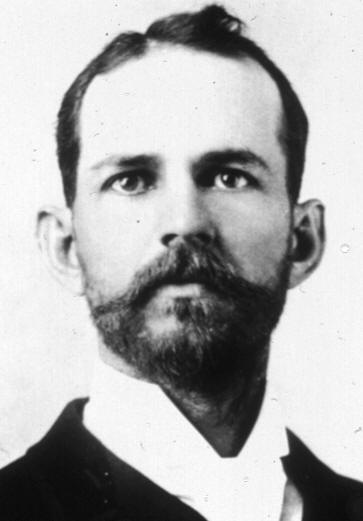
Originally planted in the fall of 1892 by Alexander C. Magruder, the first professor of agriculture at Oklahoma Agricultural & Mechanical College (Oklahoma A&M), now known as Oklahoma State University, these research plots were established to obtain information on the ability of soil to produce good wheat yields without fertilization. This original research with the plots continues today.
History
In the 1970s, Agronomist Billy Tucker and Professor Bob Westerman spearheaded the campaign to list the Magruder Plots on the National Register of Historic Places. The plots were officially added to the registry on Aug. 29, 1979, and are the oldest continuous soil fertility wheat experiment west of the Mississippi River.
Research
The Magruder Plots have played a significant role in the historical development of agriculture in Oklahoma and nearby areas by providing information on appropriate fertilization methods for long-term wheat production. Oklahoma farmers have benefited significantly from the research conducted at the plots.
In 1892